


_12.jpg)
Key Takeaways
There’s no one-size-fits-all answer, deciding between self-managing and hiring a property manager depends on your time, experience, and long-term investment strategy.
Landlords who self-manage keep more income and maintain full control, but must handle time-intensive tasks, legal complexities, and tenant issues.
Hiring a professional brings expertise, saves time, and makes it easier to grow your portfolio, but reduces direct control and adds management costs.
Beginners, remote owners, or landlords with multiple properties often benefit from property managers, while experienced investors may prefer self-management.
One of the most difficult choices a landlord can make is deciding whether to hire a property manager or self-manage the rental property.
This decision is not only an operational preference but also affects tenant experience, financial performance, and long-term sustainability of the investment. Although both strategies have their benefits, they also have unique challenges that landlords must consider carefully.
Directly maintaining control over the property sounds appealing to some landlords because it offers them cost savings and a sense of involvement.
On the other hand, landlords can have peace of mind and operational efficiency when they delegate property management responsibilities to professional managers.
Determining the best approach will require a consideration of strategic objectives, personal capacity, and financial considerations.
In this article, SGI Property Management Dallas will discuss what both choices entail which will depend on your goals, property type, and personal capacity.
Want to Know More About How Property Management Can Help?
Understanding the Role of Property Management
Property management entails a broad range of obligations that are beyond rent collection.
Some of these responsibilities include advertising vacancies and marketing, tenant screening and selection, drafting and enforcing lease agreements, repairs and maintenance coordination, maintaining tenant communication, handling disputes, and ensuring compliance with regulatory and legal requirements.
All these responsibilities are essential for the successful operation of a rental property, irrespective of whether they are performed by the property owner or a hired professional.
Self-Managing
Self-management of rental properties involves property owners directly performing responsibility for every area of property management. Individuals who want to increase financial returns by reducing expenses or prefer hands-on involvement will find this approach favorable.
Some benefits of this approach include:
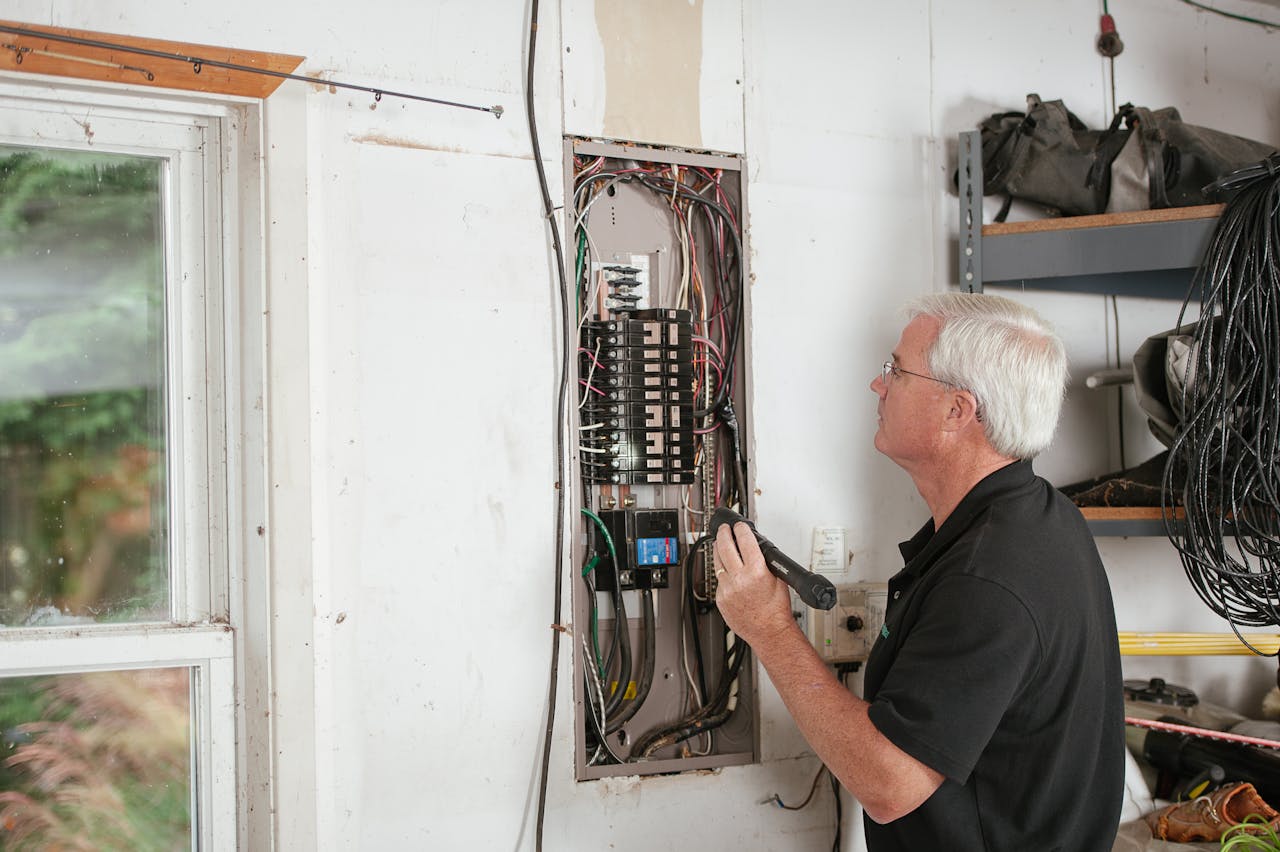
Complete Control Over Decision-Making
Landlords who self-manage their rental property have full authority over all areas of their property. This includes maintenance decisions, pricing strategies, and tenant selection. As a result, they are more flexible and responsive to changing situations.
Cost Savings
Landlords can retain a good portion of their rental income by avoiding property management fees. This is beneficial for rental properties that have modest profit margins.
Direct Tenant Relationships
Landlords who personally manage the rental property can build direct relationships with their tenants. This will help to improve communication and build trust, both of which are responsible for higher tenant retention.
Want to Know More About Your Property?
Immediate Oversight
When issues arise, they can be immediately handled without the need for intermediaries. Efficiency can be enhanced by this direct involvement, especially if the landlord has a limited portfolio.
Challenges of Self-Managing
Time Commitment
Rental property management requires enough time. That’s because it includes tasks such as handling administrative duties, coordinating repairs and maintenance, and responding to tenant inquiries. All these can quickly accumulate to become time-intensive.
Legal Complexity
Landlord-tenant laws are not static but keep evolving over time and are often intricate. Those without professional guidance when navigating these regulations are more at risk of non-compliance.
Emotional Involvement
Emotional dynamics are introduced when property owners have direct interactions with tenants. This can become a problem, especially during late payments or disputes and it may be difficult to maintain objectivity in such situations.
Limited Scalability
Self-management will become more difficult to sustain as the number of rental properties increases. The landlord's capacity may be exceeded by these demands.

Hiring a Property Manager
Hiring a property manager entails delegating operational obligations to a management company or professional. Landlords who seek to expand their portfolios or streamline operations find this approach appealing.
Advantages of Hiring a Property Manager
Experience and Expertise
Property managers have specialized knowledge of legal compliance, tenant screening, and market conditions. They use this knowledge to reduce risk and support proper decision-making.
Time Savings
Landlords can focus on extensive investment strategies or other commitments when they delegate daily tasks. Those with multiple properties or demanding schedules will find this strategy valuable.
Efficient Tenant Management
Property managers already have proven and established systems for managing tenants. This ranges from conflict resolution to maintenance requests. They will improve tenant retention and satisfaction with these processes.
Access to Networks
Property managers will bring the already established network of service providers, inspectors, and contractors. This will ensure cost-effective and timely maintenance.
Scalability
Landlords can comfortably expand their portfolio without a similar increase in workload when they hire property managers. As a result, long-term growth is supported.
Want to Know More?
Challenges of Hiring a Property Manager
Management Fees
Property managers charge fees, often a percentage of the rental income.
Reduced Control
Landlords have less control when they delegate responsibilities.
Variable Quality
The competence of the property manager determines the effectiveness of property management.
Communication Gaps
Misunderstandings or delays may result due to indirect communication between tenants and landlords.
Suitability Based on the Investor’s Profile
The landlord’s individual circumstances will help determine the optimal approach.
First-Time Landlords
New investors should consider professional property management. This will be beneficial, especially if they do not have familiarity or experience with local regulations.
Experienced Investors
Experienced landlords have more confidence in self-managing, especially if they have the necessary resources and skills.
Remote Investors
Due to logistical challenges, it can be preferable to hire a property manager if you own properties in distant locations.
Portfolio Size
With the increase in the number of rental properties, the ability to self-manage the portfolio decreases, and it becomes more appealing to hire a property manager.
Ready to Get Started?
Final Thoughts
There is no universal answer to the question of whether to self-manage or hire a property manager, each of these strategies has unique benefits and challenges. For that reason, the best approach will depend on the landlord’s strategic objectives, resources, and priorities.
The best decision is not the method itself, but how it is effectively executed. We recommend that landlords carefully consider their choices to ensure that they align with their goals.
Adaptability and clarity of purpose are among the most valuable assets in the evolving environment of property investment. If you want to see if working with a property management company is best for you, contact SGI Property Management Dallas today for more information!