


Whether you're a first-time landlord or you've owned rental properties for years, one question always remains the same: How can you increase your rental income without creating unnecessary risk or taking on more work than you can handle?
Maximizing rental income isn't just about charging the highest possible rent. It's about attracting and keeping great tenants, minimizing vacancies, making strategic property improvements, and managing your investment efficiently.
The good news is that you don't need a major renovation or another investment property to boost your returns. In many cases, a few smart upgrades and simple improvements to your existing rental can significantly increase its value and rental appeal
If you invested in Dallas real estate your goal was to generate a strong return on your investment. One of the best ways to accomplish that is by increasing your property's value, allowing you to justify higher rent while remaining competitive in the Dallas rental market.
Fortunately, increasing your property's value doesn't have to mean spending a fortune. Many budget-friendly improvements can make a noticeable impact. Here are five easy ways to increase the rent you can charge for your Dallas rental property.
Here are six strategies Dallas landlords should consider.
1. Increase Rent Strategically
Raising rent may be the most obvious way to increase rental income, but it should be handled carefully.
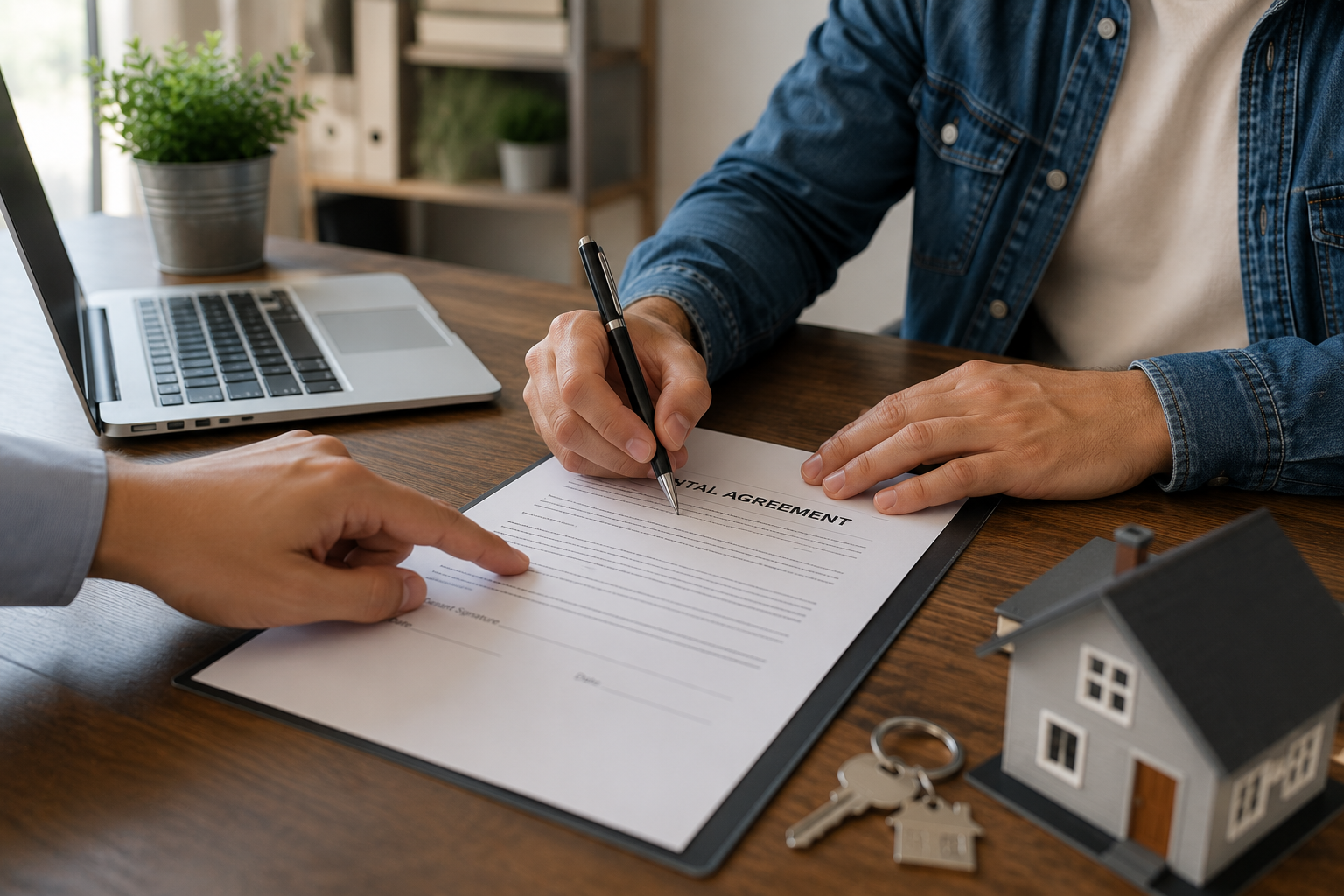
A rent increase that is too aggressive can lead to tenant turnover, vacancy, and additional expenses. Losing a reliable tenant over a relatively small increase may cost more than the additional rent would have generated.
Before changing the rent amount, review comparable rental properties in your area. Consider factors such as:
- Property size
- Location
- Number of bedrooms and bathrooms
- Condition of the home
- Included amenities
- Recent upgrades
- Current local rental demand
Timing also matters. Lease renewal periods are often a natural opportunity to review pricing and determine whether an adjustment makes sense.
When increasing rent, communicate clearly and professionally. Tenants are more likely to understand an adjustment when the property continues to provide strong value and the change is handled respectfully.
The goal is not simply to charge more. The goal is to find a rental rate that supports your investment while remaining competitive in the Dallas rental market.
2. Add Paid Amenities
Another way to increase rental income is to offer amenities or services that tenants value.
Depending on the property, these may include:
- Pet rent
- Reserved parking
- Monthly storage
- Washer and dryer access
- High-speed internet packages
- Cable bundles
- Other optional property-specific services
Small monthly charges can add up over time, especially when they are connected to features tenants genuinely want.
For example, pet-friendly rentals can appeal to a broader group of renters. Where appropriate and legally permitted, landlords may structure pet-related fees or recurring pet rent as part of their rental policies.
Laundry is another strong example. In-unit laundry can make a rental more convenient and attractive, while certain setups may also create an opportunity for additional monthly income.
The key is to avoid adding fees simply for the sake of adding fees. Focus on useful amenities that improve the resident experience and make the property more competitive.
3. Reduce Tenant Turnover
Keeping a good tenant can be just as valuable as increasing rent.
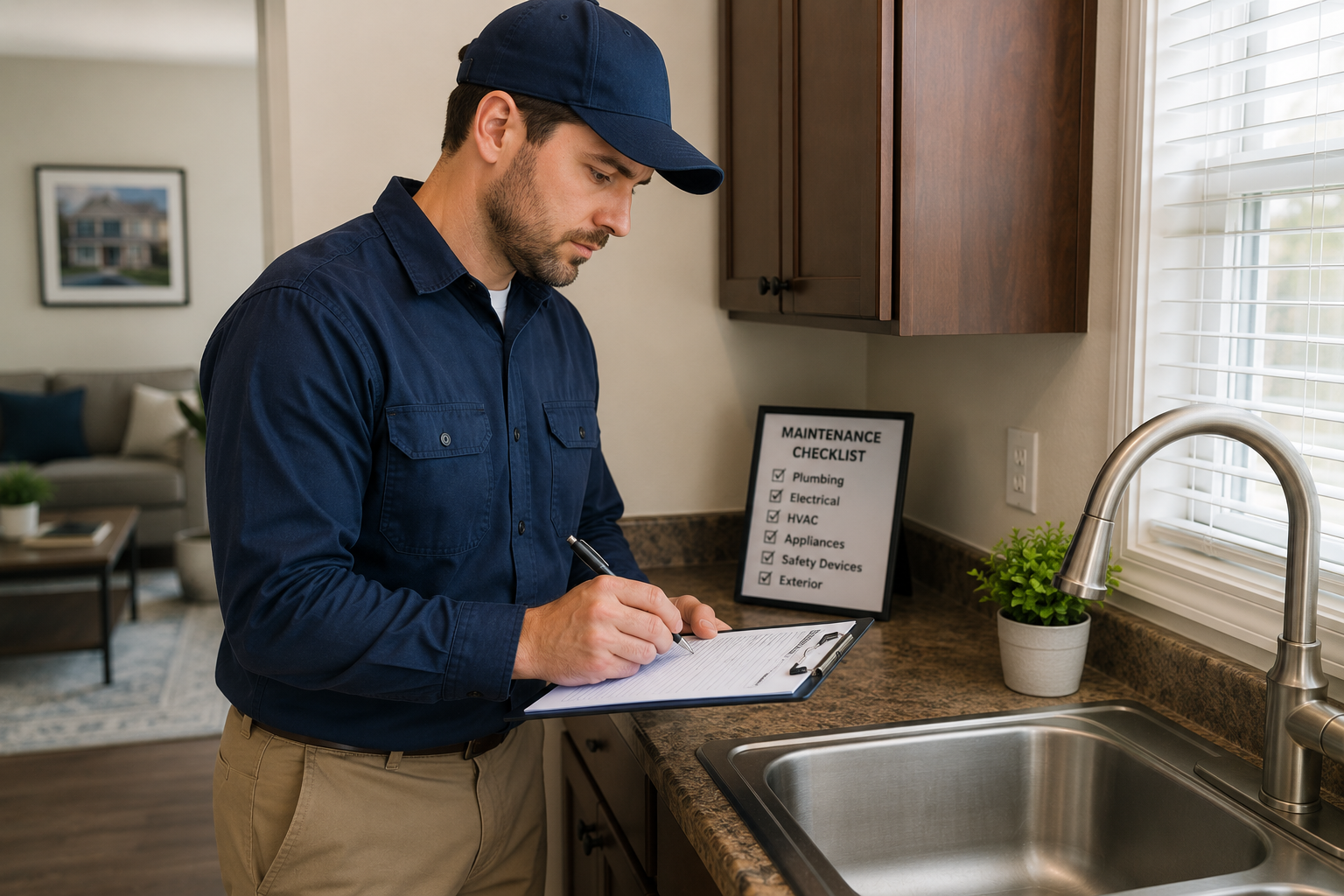
Every time a tenant moves out, a landlord may face expenses such as:
- Lost rental income
- Cleaning
- Repairs
- Advertising
- Showings
- Leasing costs
- Vacancy between tenants
That is why tenant retention should be part of any rental income strategy.
Landlords can improve retention by responding promptly to maintenance requests, communicating clearly, and keeping the property in good condition.
It may also make sense to offer modest renewal incentives when appropriate. Depending on the situation, this could include a small improvement to the property, a convenient lease term, or another reasonable benefit that encourages a strong tenant to stay.
Good tenants provide more than monthly rent. Reliable residents who pay on time, communicate professionally, and care for the property can help create more stable long-term performance.
Before automatically pushing for the highest possible rent increase, consider the value of keeping a proven tenant.
4. Minimize Rental Vacancy
Vacancy can quickly reduce the income a property generates.
Every day a rental sits empty is a day without rent coming in. That is why reducing downtime between tenants is one of the most important ways to protect rental income.
Landlords can reduce vacancy by preparing early.
When appropriate, begin marketing before the current lease ends rather than waiting until the property has already been vacant. This can create more time to generate interest, schedule showings, review applications, and prepare for the next tenancy.
Strong rental marketing also matters. Your listing should include:
- High-quality property photos
- A clear and accurate description
- Important property features
- Rental requirements
- Useful neighborhood information
- Easy instructions for requesting more information
Responsiveness is equally important. Prospective tenants often contact several properties at once. Delayed responses can mean losing a qualified applicant to another rental.
An efficient leasing process can help reduce unnecessary downtime and keep rental income more consistent.
5. Upgrade Your Property Smartly
You do not need a full remodel to make a rental property more attractive.
In many cases, smaller improvements can improve the appearance and functionality of the home while helping support stronger rental demand.
Consider upgrades such as:
Fresh Paint
Scuffed, dirty, or outdated walls can make an otherwise solid rental feel neglected.
A fresh coat of paint can quickly improve the appearance of the property. Neutral colors are generally easier to work with because they appeal to a broad range of renters and make it easier for prospective tenants to imagine themselves living in the home.
Updated Flooring
Worn or damaged flooring can significantly affect a tenant's first impression.
Depending on the property, replacing outdated flooring with a durable, rental-friendly option can improve both appearance and long-term functionality.
Modern Light Fixtures
Lighting can change the feel of a room without requiring a major renovation.
Replacing dated fixtures with clean, modern options can help the property feel more current.
Kitchen Hardware and Faucets
A complete kitchen renovation can be expensive, but smaller changes may still make a visible difference.
Consider updating:
- Cabinet hardware
- Faucets
- Light fixtures
- Backsplash
- Worn finishes
These improvements can refresh the space without the cost of rebuilding the entire kitchen.
Curb Appeal
The exterior is one of the first things prospective tenants see.
Simple improvements may include:
- Cleaning exterior surfaces
- Trimming landscaping
- Removing debris
- Refreshing entry areas
- Repairing visibly damaged features
- Improving exterior lighting
A clean, well-maintained exterior can create a stronger first impression before a prospect even enters the home.
Energy-Efficient Appliances
When appliances need replacement, energy-efficient options may be worth considering.
Focus on upgrades tenants see and use regularly. The best improvements are not necessarily the most expensive ones. They are the improvements that make the property more appealing, functional, and competitive for the target renter.
6. Screen Tenants Carefully
Increasing rental income is not only about how much rent you charge. It is also about how consistently that rent is collected.
Reliable tenants are more likely to:
- Pay rent on time
- Follow lease terms
- Communicate about maintenance issues
- Care for the property
- Complete the agreed lease term
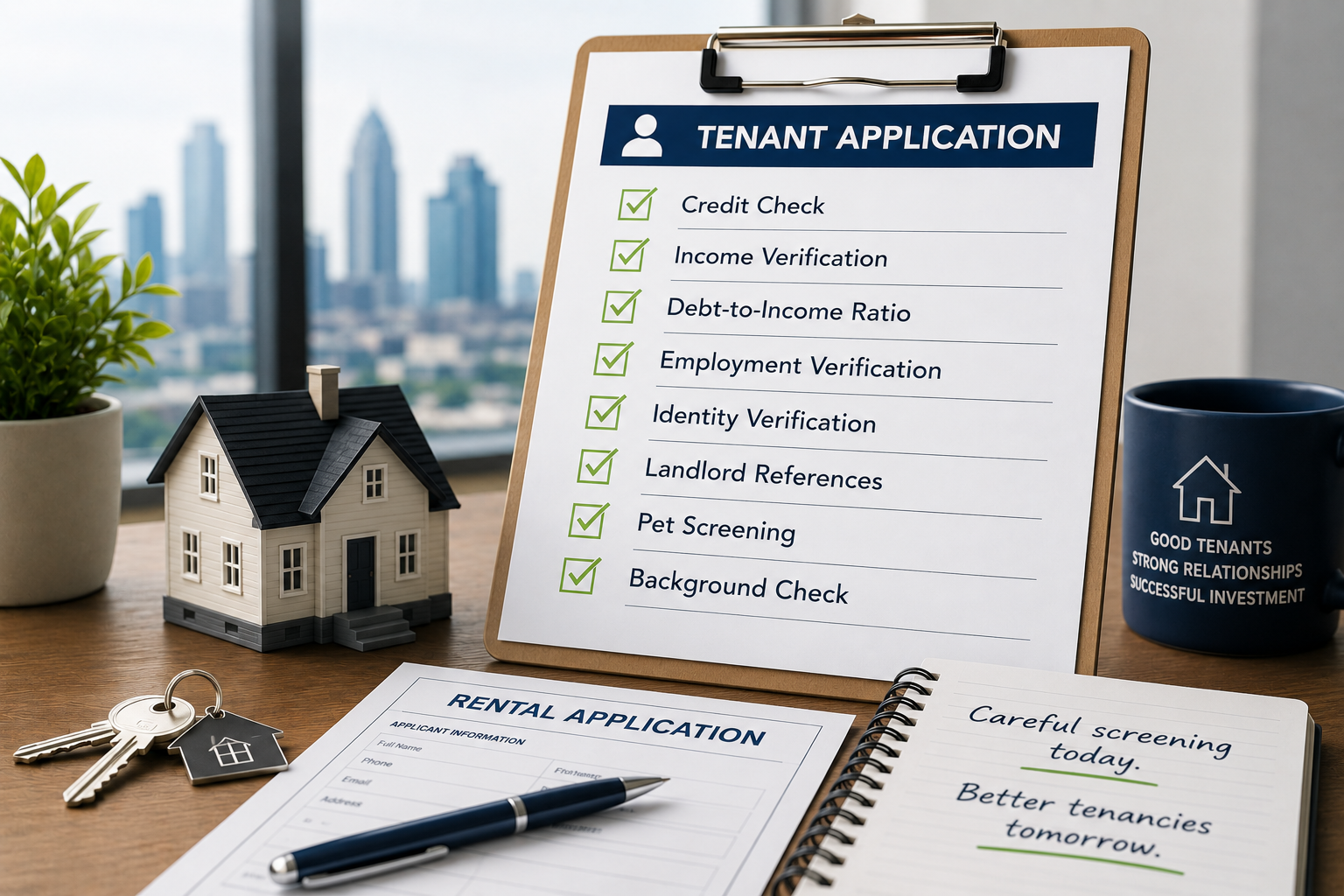
A thorough tenant screening process can help landlords make more informed leasing decisions.
Depending on applicable requirements and your written screening criteria, the process may include:
- Credit checks
- Background checks
- Income verification
- Employment verification
- Rental history
- Previous landlord references
- Review of application information
The screening process should be consistent for all applicants and handled in compliance with applicable fair housing and other legal requirements.
No screening process can eliminate every risk. However, a clear and consistent approach can reduce avoidable problems and support more stable rental income.
Increasing Rental Income Is About More Than Raising Rent
Landlords often assume that earning more from a rental property means charging more each month.
That is only one part of the picture.
You may also be able to improve performance by:
- Adding valuable paid amenities
- Keeping strong tenants longer
- Reducing vacancy
- Making targeted property improvements
- Improving the leasing process
- Screening applicants consistently
The strongest approach will depend on the property, the current tenant situation, local rental demand, and your long-term investment goals.
A well-managed rental should balance income growth with tenant retention, property condition, and sustainable operations.
Get Help Maximizing Your Dallas Rental Property
Managing all of these strategies takes time.
From rental pricing and lease renewals to marketing, tenant screening, maintenance coordination, and vacancy reduction, strong property management can have a major impact on the day-to-day performance of a rental investment.
At SGI Property Management, we help Dallas-area property owners manage their rentals more efficiently and identify opportunities to improve long-term performance.
Whether you want help implementing these strategies or simply want a second opinion on your property's rental potential, our team is here to help.
Contact SGI Property Management today to learn more about how we can help you protect your investment and maximize the potential of your Dallas rental property.